
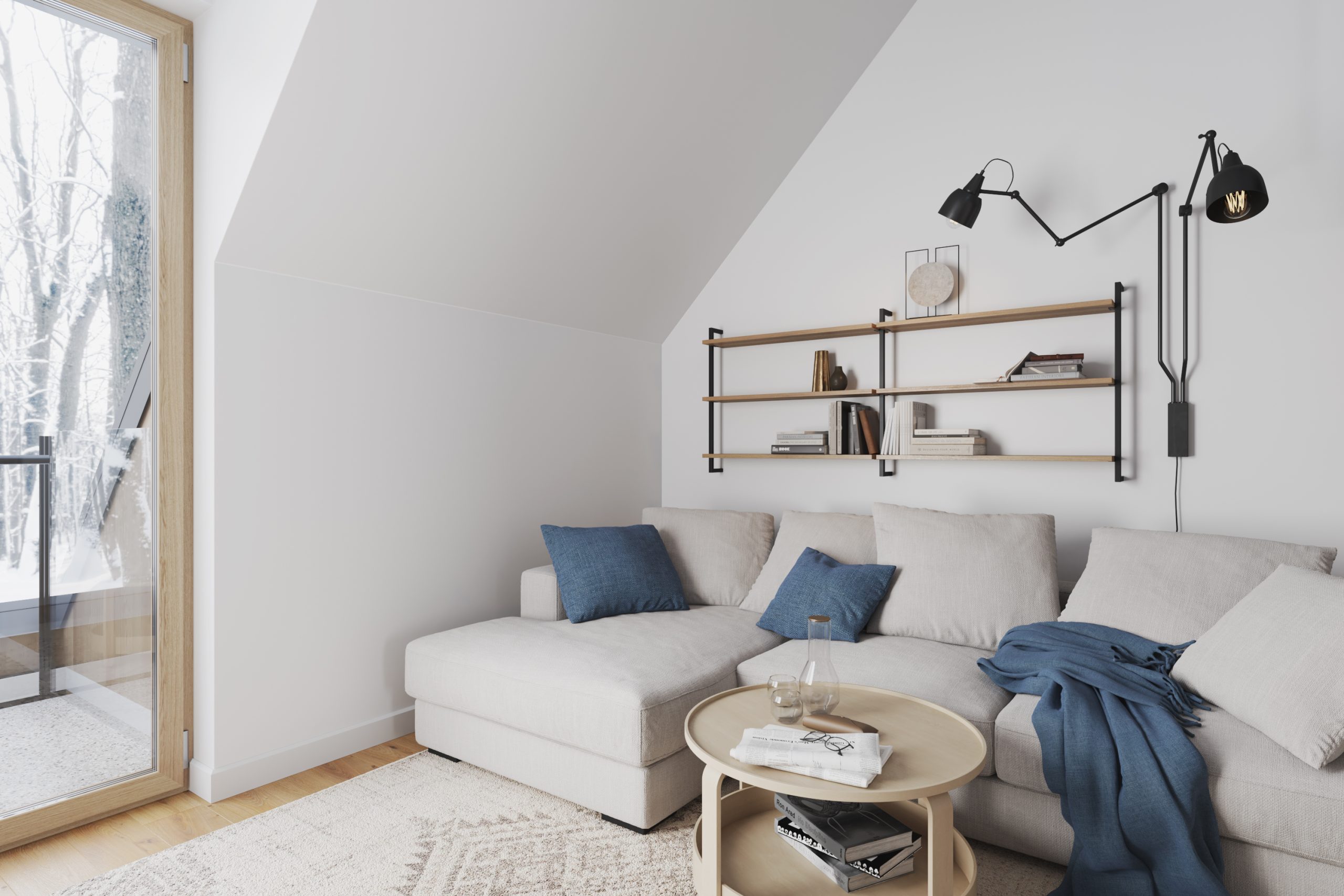
Rooms often feel like they are asking for one more layer: a place to set down a book, frame a photograph, or keep everyday essentials within reach without giving up precious floor area. Wall shelves answer that request with quiet confidence. They can be practical, sculptural, minimal, or richly textured, and they scale from a single ledge to an entire feature wall.
The best part is the sense of freedom they bring. A shelf can shift a room’s balance, pull the eye upwards, and make use of those “in between” zones that are usually left blank. With thoughtful placement, wall shelves can make a small flat feel calmer and a larger home feel more intentional.
Why wall shelves work so well
Wall shelves are essentially space-making tools. They allow storage and display to coexist without the heaviness of extra furniture, and they help you edit what you keep visible. A well-planned arrangement can reduce visual noise, because items gain a defined home rather than drifting across worktops and side tables.
They also support changing routines. A home office might later become a nursery; a shelf system can adapt more easily than bulky cabinetry. And when you move, wall shelves can move with you, either literally or as an idea you recreate in a new layout.
After you decide what the shelves need to do, the benefits become clear:
- Extra storage without floor clutter
- A place to display art and objects
- Better use of awkward corners
- Flexible zones for work or hobbies
- A stronger sense of height and proportion
Shelf types and what they do best
Not all shelves “read” the same in a room. Some disappear, letting objects take centre stage. Others are deliberately visible, adding rhythm and structure to a wall. Before you think about colour, start with the silhouette and the way it meets the wall.
A useful way to choose is to match the shelf type to your goal: do you want a clean line, a gallery feel, or something with a bit of architectural presence?
| Shelf type | Best for | Visual feel | Practical notes |
|---|---|---|---|
| Floating shelf | Minimal rooms, calm backdrops | Light, pared back | Fixings matter; great with thicker boards |
| Bracket shelf | Kitchens, utility, industrial accents | Honest, structured | Brackets can become a design feature |
| Picture ledge | Art, prints, rotating displays | Gallery-like | Shallow depth keeps it tidy |
| Corner shelf | Small rooms, unused corners | Efficient, compact | Works well in bathrooms and hallways |
| Rail or modular system | Offices, studios, growing storage | Organised, adaptable | Easy to reconfigure as needs change |
One sentence that saves time: choose the shelf depth based on what will actually sit there, not what looks good in a shop photo.
Styles that suit modern interiors
Modern interiors are rarely one-note. A “modern” space might still include warm woods, vintage ceramics, or patterned textiles. Wall shelves can bridge these layers, acting as a visual organiser that helps varied items look intentional.
Minimal floating shelves suit spaces that already have strong lines, like black-framed glazing or clean joinery. If your room is softer, with curves and textured fabrics, a shelf with rounded edges or slim brackets can echo that gentler feel without becoming fussy.
It also helps to think in pairs: the shelf plus the wall behind it. A pale wall with pale shelves can create a calm, almost architectural plane. Dark shelves against a light wall read as graphic and confident. Dark shelves on a dark wall can feel like a boutique hotel, where objects appear to hover.
Materials and finishes that age well
Materials affect more than looks. They influence how shelves sound when you place things down, how they respond to sunlight, and how much maintenance they ask for over time.
Solid timber brings warmth and a sense of craft. It is forgiving, too; small marks can look like character rather than damage. Engineered wood options can be stable and cost-effective, though they benefit from careful edge finishing to keep them looking sharp.
Metal shelves, or timber shelves with metal brackets, suit busy areas. Powder-coated finishes handle daily use well and can tie in with taps, handles, and lighting. Glass shelves can feel light in tight spaces, though they show fingerprints and need regular cleaning.
If you are choosing finishes, a few prompts keep decisions grounded:
- Match to existing hardware: handles, taps, curtain poles
- Repeat a tone: oak with oak, black with black, brass with brass
- Use contrast on purpose: pale shelves on a deep wall (or the reverse)
- Choose sheen carefully: matt hides scuffs, gloss reflects more light
Placement, proportion, and the “quiet rules”
A shelf’s success often comes down to proportion. Too high and it feels disconnected from the room. Too low and it crowds what sits beneath. When shelves relate clearly to furniture, they look calmer and more built-in.
Above a sofa or sideboard, leave enough breathing space so the shelf does not feel like it is pressing down. In kitchens, keep shelves practical: reachable, and not so low that taller items become a daily irritation. In hallways, think about shoulders and bags; a protruding shelf at the wrong height quickly becomes a nuisance.
Groupings matter as well. A single long shelf can elongate a wall. Several shorter shelves can create rhythm. Symmetry feels formal and composed, while a slightly off-centre arrangement can feel more relaxed, especially when paired with art.
One helpful approach is to choose a “visual anchor” first, then build around it. That anchor might be a large framed print, a plant with height, or a sculptural object. The shelf becomes the stage, not the performer.
Creative uses beyond books
Books look wonderful on shelves, yet wall shelves can do far more than hold spines. They can create micro-zones that support the way you live, and they can bring personality into rooms that otherwise feel purely functional.
In a kitchen, shelves can turn everyday items into a display: a stack of plates, a row of glasses, a few well-chosen jars. The key is restraint. When everything is on show, editing becomes the organising tool.
In bedrooms, shelves can replace bulky bedside tables, leaving the floor clear and making a small room feel lighter. A narrow picture ledge above the headboard can hold artwork without the commitment of multiple wall fixings.
In bathrooms, shelves can be both practical and calming. A small run of timber shelves can soften tiles, while keeping towels and toiletries within easy reach. Just choose finishes that cope with humidity.
A few ideas that work beautifully in modern homes:
- A coffee station shelf with mugs and a small tray
- A reading ledge in a hallway niche
- A plant shelf that catches the best daylight
- A music shelf for records and a speaker
- A rotating art ledge that changes with the seasons
Styling shelves so they look intentional
Shelf styling is less about buying more and more about choosing what earns its place. Negative space is not “empty”; it is the thing that makes the rest look deliberate.
Vary height and shape. Pair a tall object with something lower and broader. Mix textures so the shelf does not feel flat: a matte ceramic beside glossy glass, a rough basket beside smooth timber. Keep a consistent thread, maybe a colour family or a repeated material, so the arrangement feels coherent.
Art can sit on shelves rather than hang, which makes it easy to swap pieces without filling the wall with holes. If you like a calm look, try grouping objects in odd numbers and leaving a generous gap between clusters.
One sentence that helps when you are unsure: remove one item, then see if the shelf breathes better.
Installation that feels solid and safe
A beautiful shelf that wobbles is never satisfying. Secure installation makes shelves feel permanent, even when the styling changes every week.
Start by checking the wall type. Plasterboard needs the right fixings, and heavy loads often need studs or solid masonry behind. If you are installing multiple shelves, measure carefully and use a level, because small errors become obvious when lines repeat across a wall.
If you want a quick, dependable process, this order keeps things smooth:
- Mark the height and length with masking tape on the wall.
- Locate studs or confirm the wall construction.
- Choose fixings rated for the shelf depth and expected load.
- Drill, fix brackets or mounting rails, then test for movement.
- Place the shelf, re-check level, then load items gradually.
If you are renting, consider systems designed to minimise wall damage, or use shelves that sit on rails with fewer fixing points. Always check what your agreement allows.
Keeping shelves fresh without constant effort
Shelves work best when they are lived with, not treated as a museum display. A simple seasonal refresh can keep them looking crisp: swap a print, move a plant, change a stack of books. Small shifts can make the room feel updated without buying anything new.
Dust is the main practical issue, especially for open kitchen shelves. A quick wipe as part of a regular cleaning routine is usually enough, and trays can help corral small items so you are not moving ten objects each time.
If a shelf starts to feel messy, the fix is often to reduce the number of items and introduce one “container” element, like a box or basket, to gather the everyday bits that do not deserve centre stage.